
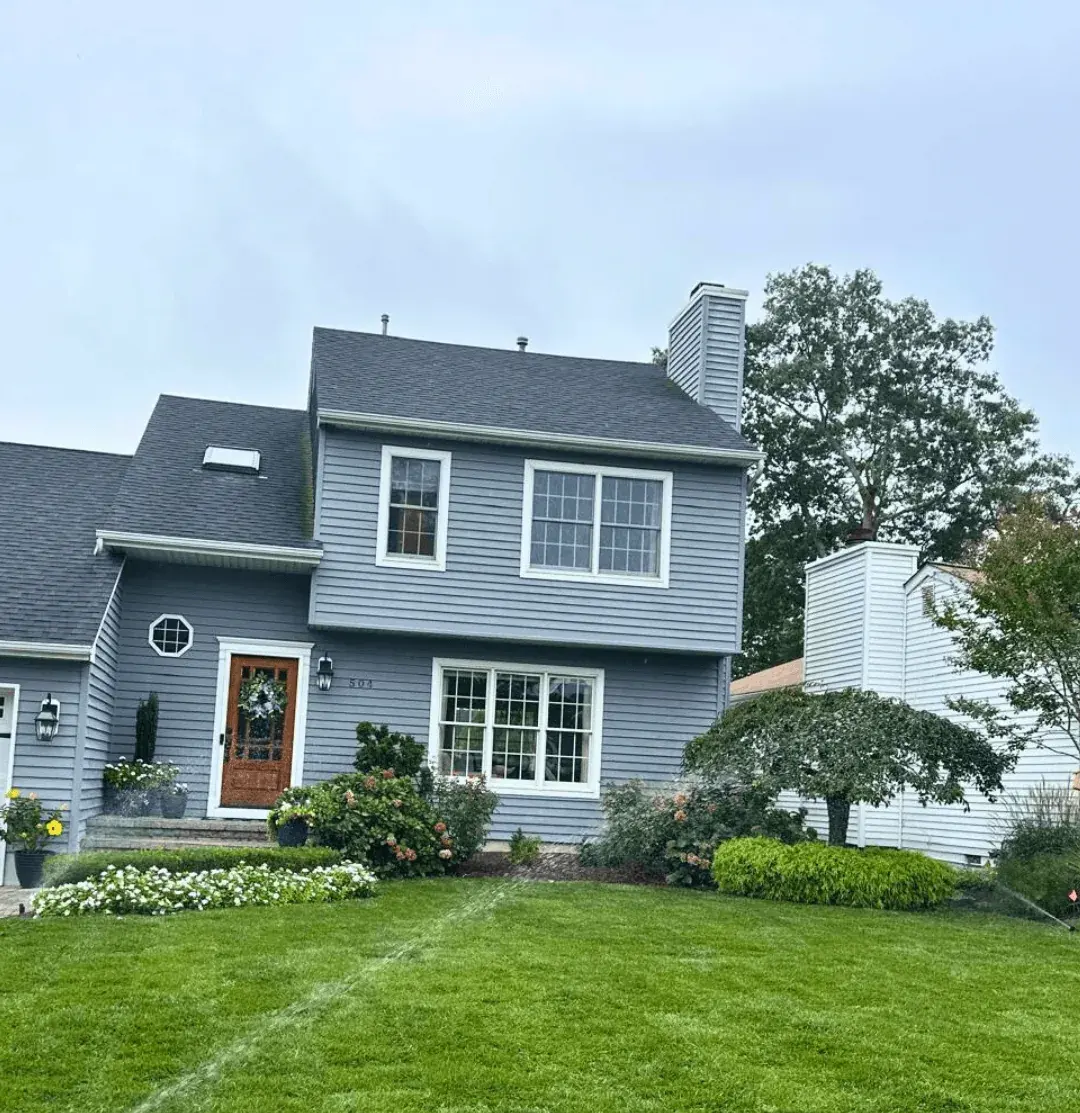
Atlantic County homeowners ask us all the time if they can save money by seeding instead. It is a fair question. Here is an honest look at sod and seed on the kinds of ground we work on, from the barrier islands to the Pinelands.
The quick verdict
On Atlantic County sand, sod is the safer way to get a lawn. Seed costs less to buy, but sand works against it in almost every way. We only install sod, and this guide explains why. If you still want to try seed, we will also tell you where it has the best chance.
Two kinds of sand, one problem
Atlantic County is really two places when it comes to soil.
The islands. Brigantine, Atlantic City, Ventnor, Margate and Longport sit on beach sand. Lots get salt spray and steady wind off the ocean. In summer, the top of the ground bakes in the sun.
The Pinelands. Inland towns like Hammonton, Mays Landing, Egg Harbor City, Folsom and Estell Manor sit on Pinelands sand. It is light, it drains fast and it leans acidic.
The bay towns in between, from Absecon and Pleasantville down to Linwood and Somers Point, often have a mix of both.
The shared problem is water. Sand lets water pass straight through. Whatever lies on the surface dries out quickly. That one fact decides most of the sod versus seed question.
How seed does on sand
A seed needs to stay damp at the very surface until it sprouts. Then it needs steady moisture for weeks while tiny roots form. On sand, that is hard to pull off.
- The surface dries out fast. A sunny, breezy day on the islands can dry the top layer in a few hours. Seed that dries out after it starts to sprout usually dies.
- Wind and rain move it. Light seed on loose sand can blow into piles or wash into low spots in a heavy storm. You end up with thick patches and bare ones.
- Weeds race it. Bare ground invites weeds. Young grass seedlings are slow, and weeds often win.
- It takes a long time. Even when it works, a seeded lawn needs many months to fill in and handle normal use.
How sod does on sand
Sod arrives as grown grass. Our tall fescue blend spends nine months on our farm in Tabernacle before we cut it on the morning of your install.
- It covers the ground on day one. There is no bare soil for weeds or wind to work on.
- It only has to root. The grass is already grown. It just has to push roots down into the soil below.
- It handles salt and sun. Tall fescue sends deep roots and copes well with summer heat and ocean air.
Sod is not magic, though. Laid right on bare sand, it can still fail. The roots reach the sand, find no water or food, and stop. That is why soil prep matters so much. You can see each layer we build on our how we build page.
Side by side
| Seed | Sod | |
|---|---|---|
| Upfront cost | Lower | Higher |
| Looks like a lawn | After many months | The same day |
| Risk on sand | High | Low with good prep |
| Weeds | Common while it fills in | Few, the ground is covered |
| Watering | Light and frequent for weeks | Steady for about 2 to 3 weeks |
What good prep looks like
On every job we tear out the old lawn and loosen the ground. We spread composted topsoil aged for 12 months, then add lime and starter fertilizer. Lime matters most in Pinelands soil, which runs sour. Then we lay big net-free rolls and press them down with a 300 lb roller.
On lawns over about 1,500 square feet we also need a working sprinkler system, because a hose cannot keep that much new grass wet. Our sprinkler system cost page covers prices.
When seed can still make sense
Seed has a place. A tiny bare spot by a downspout can be patched with seed in early fall. So can a thin area in a shady corner, if you can water it by hand a few times a day. For a full lawn on sand, though, the odds favor sod.
What it costs
Most installs run $2.00 to $5.00 per square foot. Our standard rate is $2.85 for an average yard, with a $2,000 minimum. To get your exact price, send your address on our quote page.
Quick questions
Do you offer seeding at all? No. We only install sod.
Will sod work on my Hammonton yard? Yes, with real soil prep. Lime and composted topsoil give the roots something to grow into.
Does salt air hurt tall fescue? Tall fescue holds up well to the sun and ocean air on the islands. The sand under it is the bigger concern, and topsoil fixes that.
How soon can I use a sod lawn? Stay off it for about two weeks while it roots. Light use is fine after that.